
Lyme Regis Fossil Festival
Why This Jurassic Coast Weekend Sells Out Every Year
Each June, Lyme Regis does something quietly remarkable. A small coastal town — already one of the most characterful places on the south coast — becomes the centre of the scientific world for a weekend. Palaeontologists arrive from the Natural History Museum. Families travel from across the country. Children crouch on beaches with hammers, convinced this is the stone that changes everything.
The Lyme Regis Fossil Festival is, on paper, a science event. In practice, it is one of the most enjoyable weekends the Jurassic Coast has to offer — for fossil hunters and complete beginners alike.
Why Lyme Regis and Fossils Are Inseparable
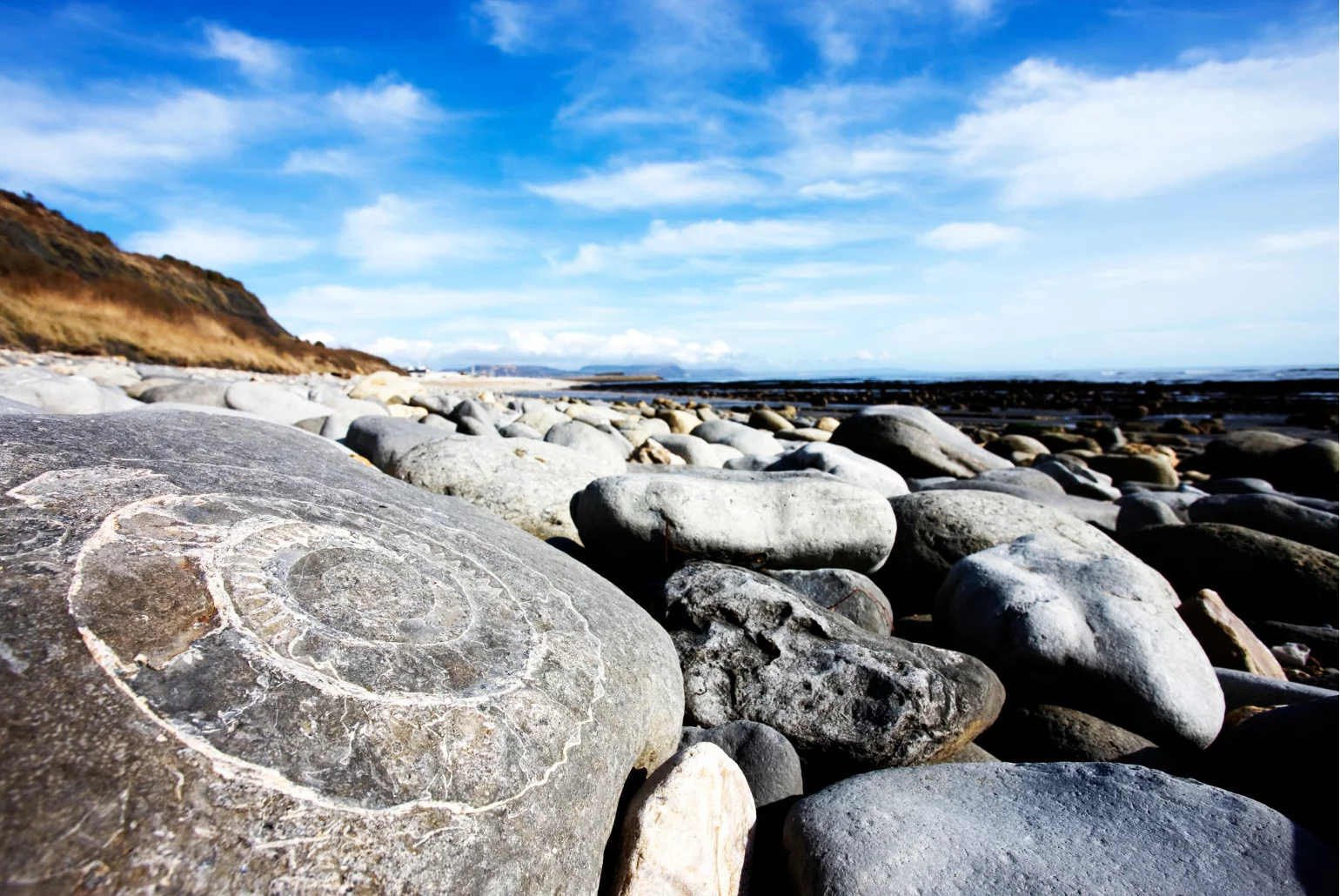
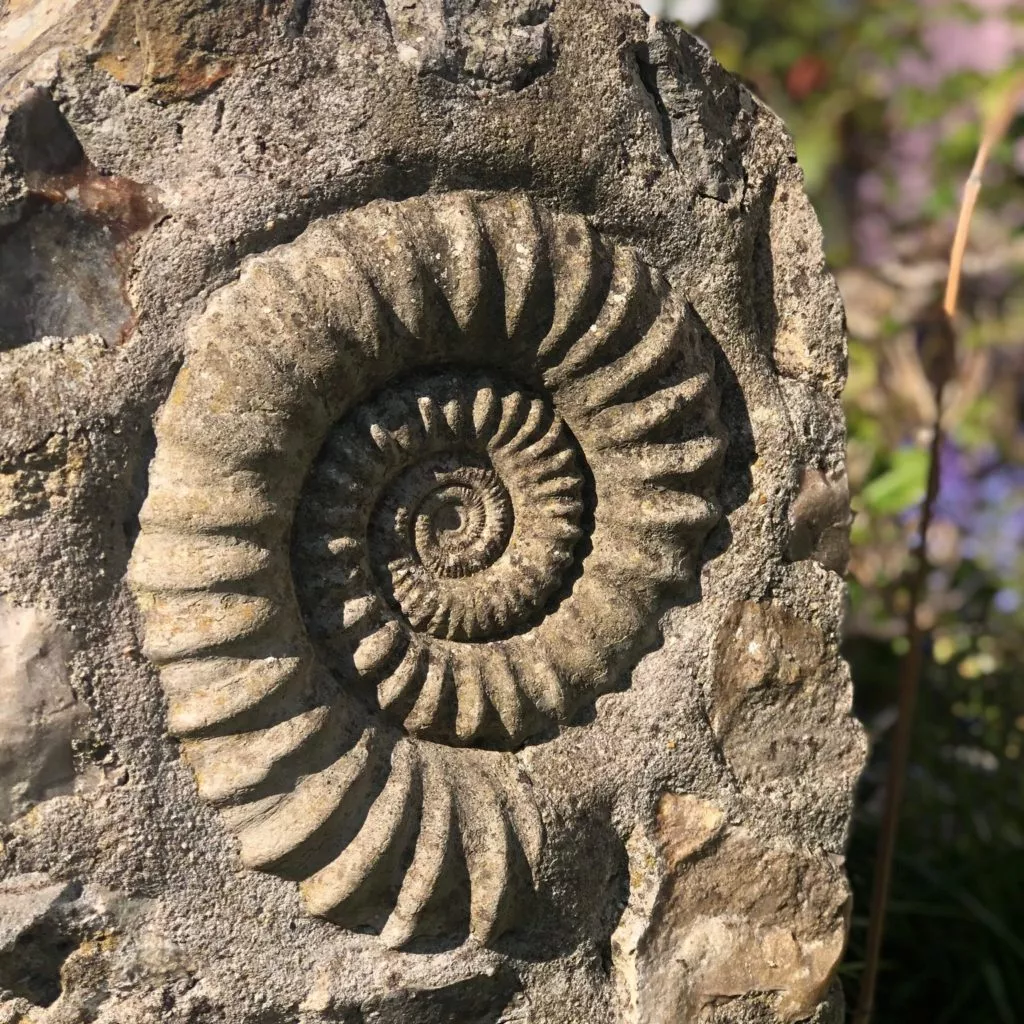
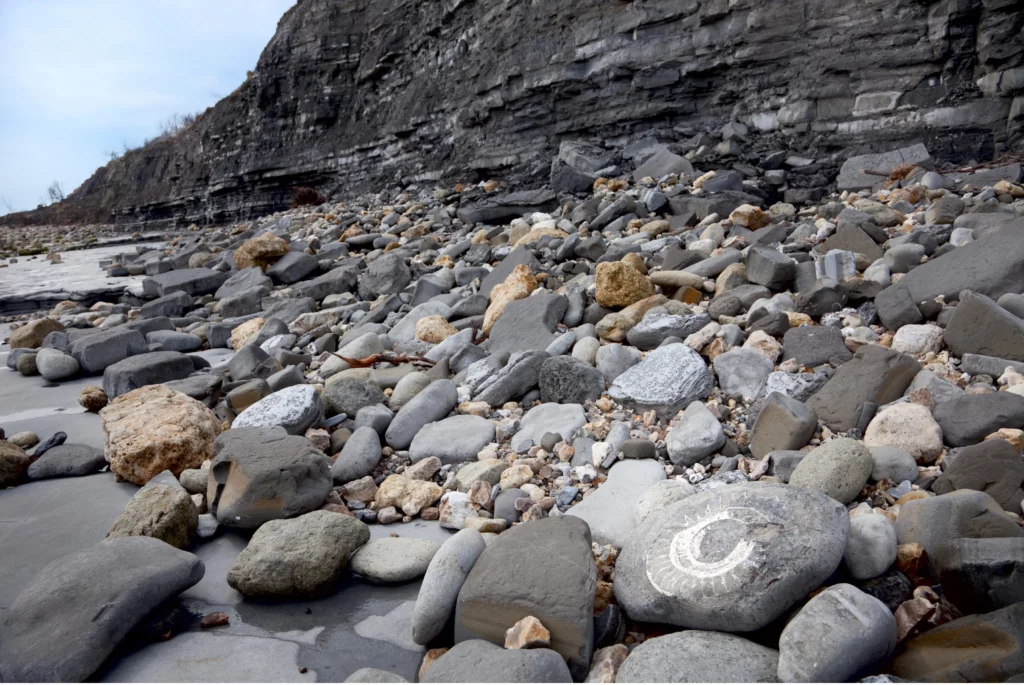
The Jurassic Coast stretches 95 miles from East Devon to Dorset, but Lyme Regis sits at its heart. The cliffs here expose around 185 million years of geological history. After storms and rainfall, the shoreline gives up ichthyosaurs, ammonites and belemnites with remarkable regularity. Nowhere else in Britain offers quite the same combination of accessible beaches and genuinely significant fossil finds.
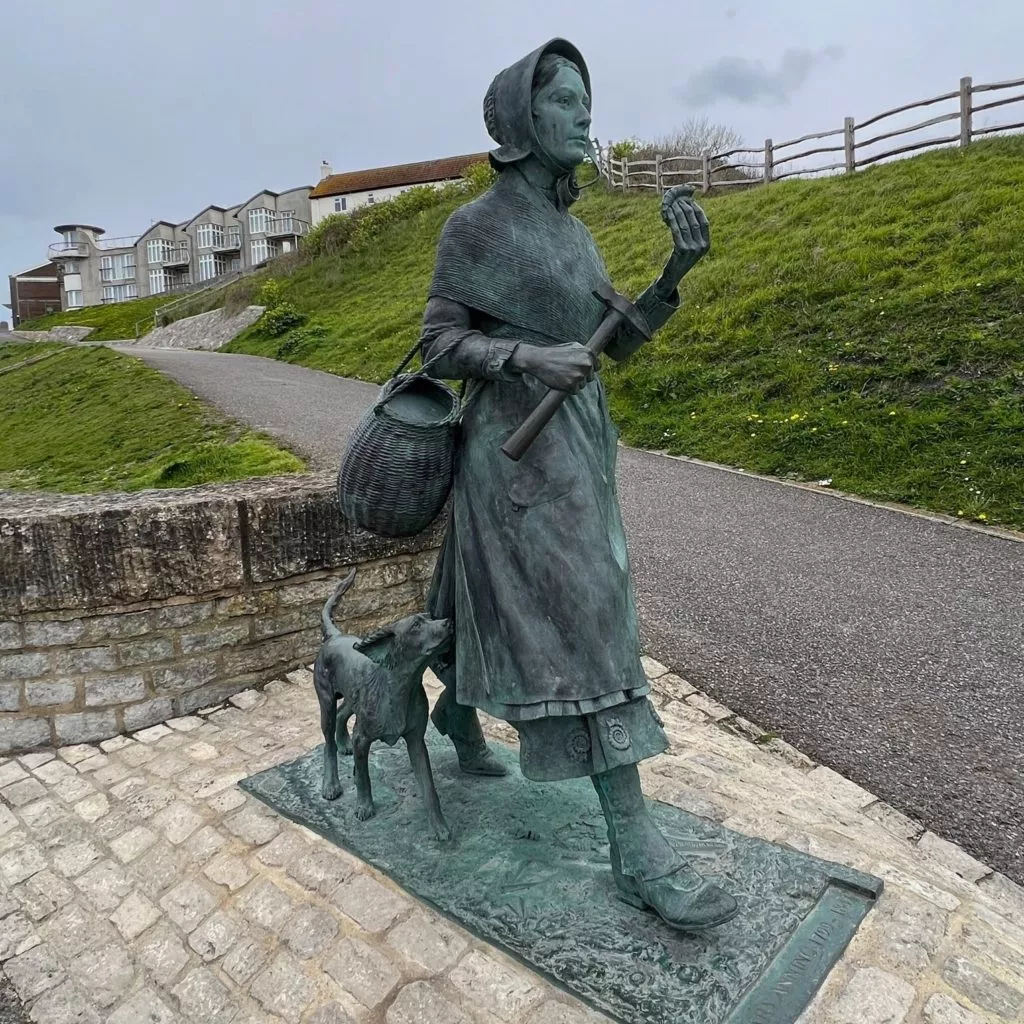
Much of that reputation belongs to one person. Mary Anning was born in Lyme Regis in 1799 and spent her life working these beaches. She discovered the first ichthyosaur skeleton recognised by science, the first complete plesiosaur, and the first British pterosaur. Her work fundamentally shaped how scientists understood prehistoric life — at a time when women were excluded from scientific institutions entirely. Lyme Regis has never forgotten her, and the Fossil Festival is, in many ways, a continuation of what she started.
What the Festival Actually Looks Like
The Fossil Festival is organised by Lyme Regis Museum and, in their own words, is the UK’s largest public event dedicated to palaeontology. That description undersells the atmosphere considerably.
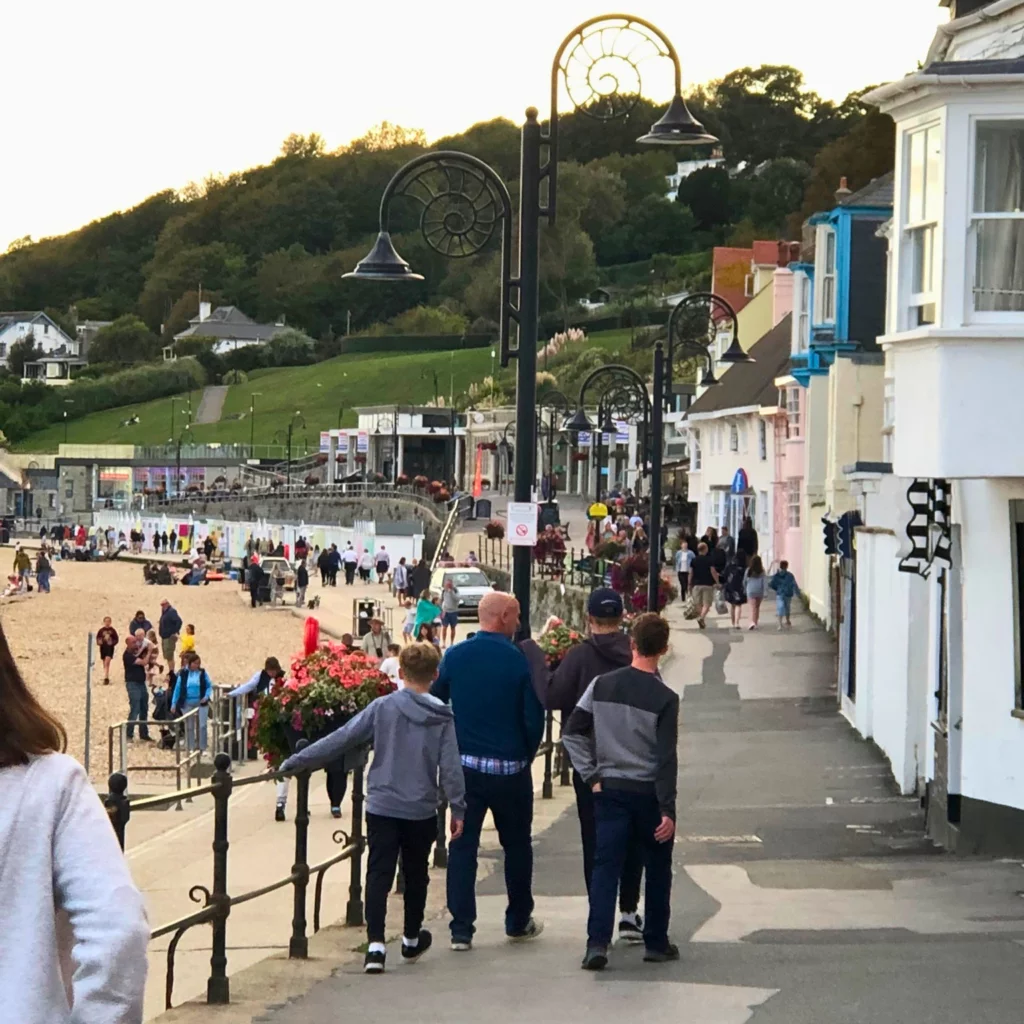
The weekend spreads across the whole town. The museum runs its own programme. The Jubilee Pavilion, the Marine Theatre, the Baptist Church venues and Lister Gardens all fill with talks, workshops, exhibitions and performances. The seafront takes on a different energy — busier than usual, but relaxed. Market stalls and fossil traders line the approach to the Cobb. Children carry finds wrapped in newspaper.
What sets the festival apart from a conventional science event is the access it provides. You can sit in a talk by a palaeontologist from the British Antarctic Survey or the Geological Society, then walk outside and find their colleagues at a stall, happy to look at whatever you’ve just picked up on the beach. That informality — experts genuinely enjoying conversations with curious strangers — gives the weekend a rare quality.
Entry to all exhibition venues is free. Guided walks and some talks carry a small charge and sell out quickly.

It’s Brilliant for Families — and Not Only Families
The festival makes a particular effort with younger visitors. Hands-on activities run throughout the weekend: plaster fossil casts to paint, ammonite polishing, beach walks with museum staff. The kind of afternoon that children remember for years, and that parents find unexpectedly absorbing.
But the festival has never been only for children, or only for enthusiasts. Visitors who arrive with no prior interest in geology consistently find themselves drawn in — not by the science itself, but by the stories. The tale of a self-taught working-class woman who rewrote scientific understanding of the natural world, largely without credit, is not a niche story. It lands with almost everyone.
Our Favourite Parts of the Weekend
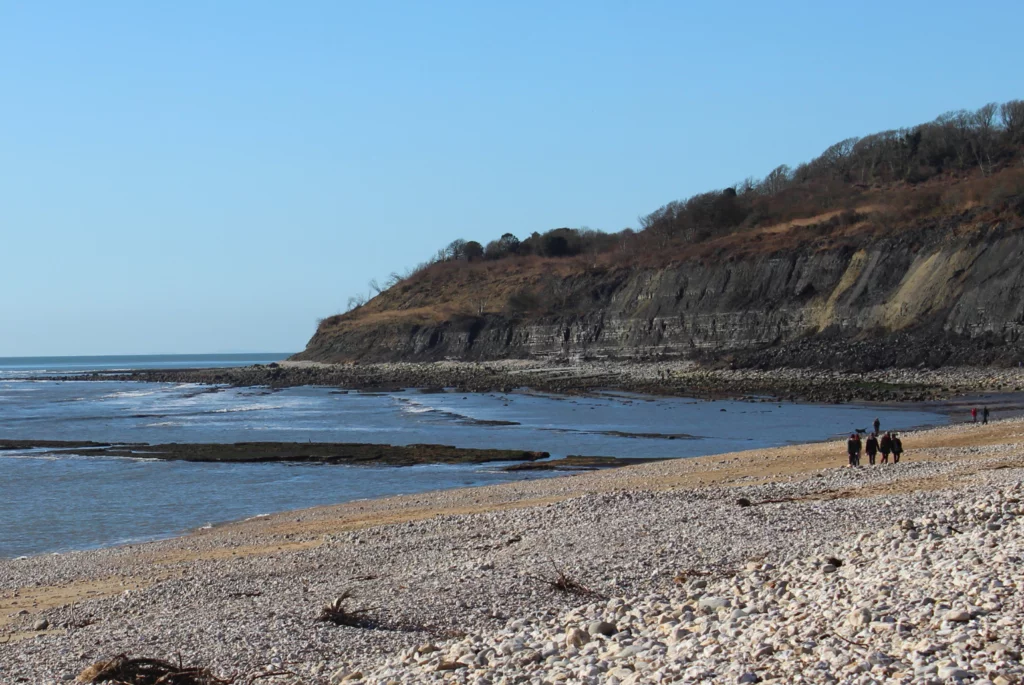
The early mornings are worth knowing about. Monmouth Beach, a short walk west of the Cobb, is quieter than the main bay and particularly good for ammonites. Before the festival crowds arrive, it’s a genuinely peaceful place to look.
The atmosphere around the Cobb itself — busy but never overwhelming — has a particular quality on festival weekend. The usual mix of walkers, swimmers and fishing boats acquires something extra: a shared sense that the place is worth celebrating.
And there is something specific about watching a child find their first fossil. It happens dozens of times over the course of a weekend. Each one looks like a small revelation.
Making a Full Weekend of It
The festival runs Saturday and Sunday, 10am to 5pm each day. Most visitors find there is more than enough to fill both days.
Beyond the festival itself, Lyme Regis rewards time. Fossil hunting on the beach — particularly after rainfall — is possible at any point during a stay. The museum runs year-round and is worth visiting in its own right. The Cobb, the independent shops along Broad Street and the harbour are all within easy walking distance of the town centre.
The Jurassic Coast extends in both directions. West towards Charmouth, another excellent fossil beach. East towards the Golden Cap, the highest point on the south coast of England. A weekend in Lyme Regis during festival time combines one of the UK’s best coastal events with one of its most distinctive stretches of coastline.
The seafood, for what it’s worth, is excellent.


Planning Ahead
The Fossil Festival has become one of Lyme Regis’ most heavily attended weekends. Accommodation in and around the town books up well in advance — often months ahead for the better central options.
The 2026 festival takes place on 13–14 June. If you’re planning around a future year, it’s worth checking dates as soon as they’re announced and securing accommodation early.
Staying in the town centre matters more during festival weekend than at other times of year. Parking in Lyme Regis is always limited and significantly more pressured during events. Being within walking distance of the seafront, the museum and the festival venues removes that stress entirely — and means you can move between locations freely throughout the day, rather than planning around a car.
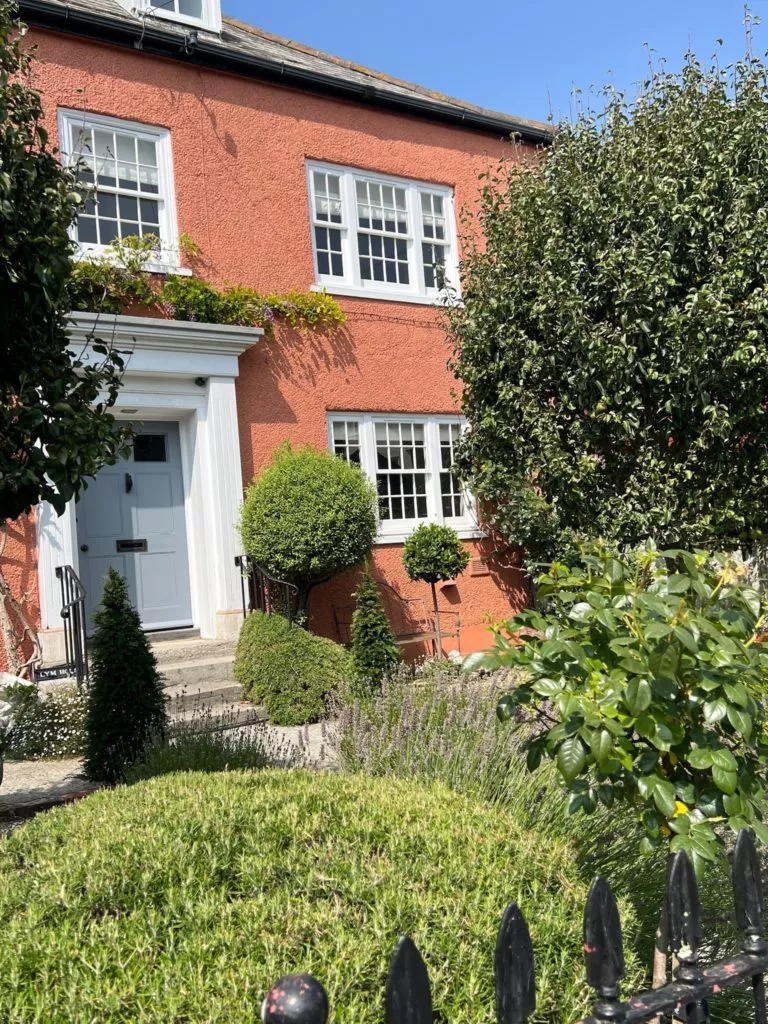
For groups and families planning ahead, Lym House sits in the heart of Lyme Regis, within easy walking distance of the seafront, the museum and every festival venue. It sleeps ten and includes on-site parking with EV charging — practical details that matter when you’re arriving for a busy weekend.

Worth Putting in the Diary
The Lyme Regis Fossil Festival is not simply an event. It is a reflection of what makes this part of the Jurassic Coast worth visiting in the first place — the geology, the history, the particular quality of a place where the past is genuinely close to the surface.
Whether you’re a dedicated fossil hunter or simply looking for an exceptional weekend on the south coast, it’s one of those events that tends to exceed expectations. The kind that people plan around, year after year.